Shop Our Online StoreVISIT OUR ONLINE STORE for a broad array of high-quality colon cleansing and enema equipment, nutritional supplements, and detoxification products, as well as supporting educational articles on home colon cleansing, constipation, and much more!


Sorry, no results found on this keyword.
Sorry, no results found.

December 31, 2012

Seven Steps for Constipation Relief

Constipation is a bummer. Being constipated causes everything from bloating and gas to irritability to anal fissures. Let's explore some constipation solutions that work!

1. Keep track of your daily bowel movements. Better yet, make sure you're having a bowel movement twice a day! Yes, everyone is different when it comes to frequency, but if you aren't fully emptying out your colon at least once a day, you are constipated. Keeping track of daily bowel movements is the best cure for constipation. Why?

* If you don't know you are constipated, you can't do anything about it.

* A bowel full of a multiple days worth of stool is much more difficult to clear out.

* Not fully emptying the bowel daily causes the colon to enlarge, which takes a case of acute constipation and turns it into chronic constipation.

2. Drink a generous amount of quality water throughout the day. A good guide is a half cup of water every half hour. The colon depends on water in order to do its work effectively.

3. Make sure you have plenty of magnesium in your body. To determine your magnesium level, use the Hair Tissue Mineral Analysis. Magnesium is an important food for the colonic musculature. When the colonic muscle isn't well-nourished, constipation will occur. If you do find yourself constipated, take 1 to 6 reacted magnesium capsules at bedtime. You may want to increase the dosage by one capsule each night. Once your bowels are moving well, consider sticking to that dose for long-term constipation relief.

4. Take a weekly coffee enema. A sluggish liver leads to constipation. Taking regular coffee enemas supports optimal liver function, which in turn is an effective and inexpensive cure for constipation.

5. Truly, the best cure for acute constipation is to take an enema series. Cleansing your colon with a series of therapeutic enema solutions will give relief to the most stubborn case of constipation.

6. If enemas make you squeamish, use an orally administered colon cleanse detoxification product like Ortho Molecular's Ortho Core Restore Kit. This week-long colon cleanse aid supports whole body detoxification, restores overall health, and is an excellent cure for constipation.

7. Seasonally, work through a colon cleansing program such as is laid out in my book, Ten Days to Optimal Health: A Guide to Nutritional Therapy and Colon Cleansing. A toxic body tends to slow down the body's metabolic processes. We live in an increasingly toxic world, which means our bodies need extra support to do their work well.

Please contact us at Optimal Health Network if you need support to cure constipation.

Labels: , , , , , ,


February 28, 2021

Enemas During Pregnancy

Constipation is often experienced during pregnancy. Although it usually does not become severe, it can reduce quality of life and sometimes lead to the development of anal fissures or hemorrhoids.

Constipation during pregnancy can be caused by changing hormone levels in the body, prenatal vitamins that many expecting mothers take, or pressure from the uterus in later pregnancy. It's important to be as comfortable and pain-free as possible during pregnancy, so avoiding the unpleasantness of constipation is beneficial, and enemas are one of several tools you can use to help with this.

Are Enemas Safe During Pregnancy?

While there are mixed opinions on the safety of enemas during pregnancy, and there has been very little scientific research done on this issue, many pregnant women find themselves needing to take enemas to alleviate uncomfortable constipation.

Many doctors agree that it is possible for enemas to stimulate labor, so while enemas can be perfectly safe and provide constipation relief for many pregnant women, I do recommend talking to your doctor first, especially if you are in your third trimester.

Constipation itself can also trigger preterm uterine contractions, however, so avoiding constipation in whatever way works best for you is important. I have worked with many pregnant women over the past 20+ years, and I find that for most mothers-to-be, enemas are a safe and beneficial thing you can do to improve your health while pregnant. I recommend reading this client's letter about her experience with constipation and enemas during pregnancy, in which she writes:

"I read your book, Ten Days to Optimal Health, and watched some how-to videos to find out how to do an enema. I was extremely cautious and slow with my enema experimentation. I used comfortably warm water and only allowed a small amount of fluid into my bowel at slow intervals so that my bowel could adjust and be completely comfortable with the enema. I did the enemas while soaking in an Epsom salt bath and I quickly felt very relaxed doing enemas. The enemas gave me immense relief and helped me to avoid constipation. I did not have any further uterine contractions and my baby was born at full term, with a wonderful natural birth."

photo of top-selling enema kit ▶︎ How To Take an Enema

Alternative Constipation Remedies

There are alternative solutions I would recommend pregnant women try if concerned about doing enemas, such as stool softeners and lifestyle and dietary changes.

Make sure you are drinking plenty of fluids, eating a lot of healthy fruits, vegetables, and proteins, and minimizing intake of gluten, dairy, and sugar. Doing regular, gentle forms of exercise (if your doctor says this is okay) can also help prevent or relieve constipation.

Additionally, I recommend taking Ortho Reacted Magnesium as a stool softener, which is safe for pregnant women.

Taking Endo-Met GB-3, vitamin C, and a probiotic such as Ortho Biotic can also help move your bowels and improve the health of your microbiome to prevent constipation.

enemas during pregnancy Most doctors recommend avoiding harsher stimulative laxatives while pregnant, because they can induce contractions.

If you do decide to take an enema during your pregnancy, ensure you are in as relaxed a state as possible. Taking the enema during an Epsom salt bath with lavender essential oil can be the perfect calming setting.

As always, especially if you are new to enemas, take things slowly and check in with your body frequently. If you feel any pain or discomfort, do not continue with the enema. If you need any support, feel free to call us at 608-242-0200 or set up a phone consultation with me.

Healing Anal Fissures While Pregnant

Many women develop anal fissures while pregnant or while giving birth. Fissures can be extremely painful and can become a chronic issue for some. I have developed an anal fissure healing protocol that is safe for pregnant women and breastfeeding mothers to use. The protocol consists of:
  1. taking daily OHN Anal Fissure Essential Oil Blend suppositories
  2. bathing the area around the fissure daily using Frankincense and Myrrh Goat Milk Soap
  3. applying Super Salve to the fissure 1-3 times per day
  4. using Reacted Magnesium as a stool softener if you are struggling with constipation or hard-to-pass stools
  5. taking MSM daily to help heal the tissues and restore blood flow in the area around the fissure
Some people find colon cleansing with home enemas to be helpful in healing fissures, but again, use caution when attempting to colon cleanse while pregnant, and I recommend trying the above therapies first.

▶︎ More Information on Healing Anal Fissures

Need more detailed guidance in alleviating constipation or anal fissures during pregnancy?

Kristina Amelong, CCT, CNC

Personal Health Consultations with Kristina Amelong, CCT, CNC

For personalized support, I would be happy to assist via a scheduled phone consultation. I charge affordable per-minute rates, for as many or as few minutes as you need!

First complete any relevant sections of my secure online intake form. Upon submitting the form, you will be prompted to schedule a consultation time with me via my online booking system.

If you are an international client who would like to use WhatsApp for your scheduled consultation, please email us for instructions on how to contact me at the time of your consultation.


Labels: , , , , , ,


July 24, 2016

Natural Relief from Opioid Constipation

Opioids are effective pain relievers. However, opioids often have the side effect of constipation. How do opioids cause constipation?

These addictive pharmaceuticals cause constipation by affecting the gastrointestinal tract in a variety of ways. Opioids increase the amount of time it takes stool to move through the gastric system. Opioids increase nonpropulsive contractions in the middle of the small intestine (jejunum) and decrease longitudinal propulsive peristalsis - motions critical to moving food through the intestines. Due to this muscular interference, food fails to travel effectively through the digestive tract.

Opioids are also able to partially paralyze the stomach (gastroparesis) so that food remains in this digestive organ for a longer period of time. Additionally, opioids reduce digestive secretions and decrease the urge to defecate.

In the last 15 years alone, opioid abuse has drastically increased by about 200%. For more perspective, in 2014 the number of opioid drug overdose deaths reached 47,055 people, or the equivalent of about 125 Americans every day.

The dispensing of opioid analgesics in the U.S. grew from nearly 149 million prescriptions in early 2003 to 207 million in 2013.

Opioid-induced constipation:
  • is one of the most common types of constipation
  • does not tend to to go away over time
  • can cause fecal impaction, overflow diarrhea, and pseudo-obstruction if left untreated
  • is usually difficult to manage and unresponsive to common treatment regimens
  • can occur at opioid doses lower than those needed to produce effective analgesia in many patients
  • decreases intestinal motility, so fiber intake is not recommended


Optimal Health Network can help!


COFFEE ENEMAS - Coffee enemas have a long history of both reducing pain and relieving constipation. Before you try opioids, take a daily coffee enema for a month.

SUPPOSITORIES - For some, Optimal Health Network’s Coffee Enema Essential Oil Blend used in a daily suppository is a better choice due to not having space or time to take daily enemas.

REACTED MAGNESIUM - Magnesium is a therapeutic, laxative-like supplement that can be titrated to bowel tolerance. It is a safe and effective method of emptying the bowel daily for adults, children, and infants.

DIET - The Ten Days to Optimal Health program is a clinically proven, easy-to-follow dietary and colon cleanse program, making it an excellent cure for constipation.

EMOTIONAL HEALING - Working with your emotions around pain and addiction can be vital in overcoming opioid dependency. Kristina Amelong has worked with thousands of clients since 1998, and can support you to overcome opioid dependency.


References:

Labels: , , , , , , ,


January 22, 2014

The Dilemma of Constipation While Pregnant (Client Letter)


I can't recall the number of times that I have googled "are enemas safe during pregnancy?". I have never found a meaningful answer to my question. I found lots of commentary and concerns that enemas can trigger uterine contractions, and therefore are risky during pregnancy.

In my first pregnancy I suffered terribly from constipation. I resorted to frequent use of glycerine suppositories to get my bowel to eliminate. Not a good solution!

When I was pregnant with my second child I again experienced constipation. This time the constipation triggered uterine contractions, once at 25 weeks and again around 30 weeks. I was hospitalized each time as a result of the contractions caused by the constipation. Based on these experiences I do agree that bowel spasms can trigger uterine spasms. My "treatment" was a Panadine Forte -- which unfortunately made me even more constipated. Following the hospital stays I decided to try an at-home enema to prevent the build-up and constipation as well as preventing any further uterine contractions. This approach worked for me.

I read Kristina's book, Ten Days to Optimal Health, and watched some how-to videos to find out how to do an enema. I was extremely cautious and slow with my enema experimentation. I used comfortably warm water and only allowed a small amount of fluid into my bowel at slow intervals so that my bowel could adjust and be completely comfortable with the enema. I did the enemas while soaking in an Epsom salt bath and I quickly felt very relaxed doing enemas. The enemas gave me immense relief and helped me to avoid constipation. I did not have any further uterine contractions and my baby was born at full term, with a wonderful natural birth.

How can I have a pregnancy without constipation?

My question is now, how can I have another child without suffering from the problems caused by poor elimination and inadequate detoxification?

A bit more about my background: I have suffered from constipation for years and years. I adopted a whole foods diet, following the principles of Weston A. Price about 4 years ago. The diet change rapidly improved my immunity and the recurring thrush, viral, throat infections and urinary tract infections that I had suffered from for years disappeared. Unfortunately the diet change did not solve my constipation issues.

With much experimentation I found that I can live free from constipation by eating liberal amounts of saturated fats (fermented cod liver oil, coconut oil, duck and chicken egg yolks, avocado and other fats), including 2 to 3 cups of gelatinous bone broth each day, strictly limiting the amount of cooked protein I eat to around 120 grams per day, eating fresh salads with herbs, avoiding all grains, starches, nuts and seeds, including a liquid magnesium supplement, soaking in Epsom salt and clay baths and getting plenty of exercise.

I no longer need to use enemas to help relieve constipation; the formula above works to get my body eliminating.

We are hoping to have another baby. Recently as part of our preconception care my doctor tested me for MTHFR. I tested positive with two defective genes (I am MTHFR C667T homozygous), which means my body does not metholate effectively. In very simple terms my body is only 10 to 20% effective at detoxifying, instead of 100% effective. Many people suffer symptoms from MTHFR gene mutations without knowing they have a problem. You can be tested for MTHFR through blood tests or through saliva tests (e.g., www.23andme.com).

I have been prescribed supplements to help my body to improve methylation, and in addition to the supplements I have started following the recommendations from an MTHFR expert, Dr. Lynch of www.mthfr.net.

One of the tools Dr. Lynch recommends for detoxification and to help MTHFR sufferers is coffee enemas. I started using enemas again last year to do coffee enemas. I am amazed at the physical difference and calmness I have experienced from regular coffee enemas. They also allow me to make lifestyle and diet changes without suffering from detox symptoms. I have started experimenting with adding geranium to my coffee enemas as it increases glutathione levels. So far I love it. It smells beautiful and makes me feel good.

So, what is the answer to the pregnancy constipation dilemma? There is no definitive answer, and one person's medicine is another person's poison. No one can make guarantees about what will cause a pregnancy to go smoothly. There may be risks of uterine contractions triggered by bowel spasms. My experience and personal choice would be to use enemas if I need them in a future pregnancy. I feel that the risks of doing an enema at home, in a relaxed state, slowly and peacefully, are very, very low. That said, I would also choose to eat raw egg yolks and raw meat during a pregnancy, which I also consider very low risk (as long as they are sourced from reliable farmers). For some women my "low risk" choices would be seen as very high risk. I think that the dilemma of constipation during pregnancy is a matter of considering your risk appetite, choosing what you are prepared to experiment with and being calm and peaceful in your actions.

A final word about raising babies and children on organic whole foods diets

It is amazingly hard work to source fresh organic whole foods, cook almost everything from scratch, make bone broth, ferment sauerkraut, and cover the enormous cost of eating this way (compared to cheap, processed grain-based foods). It is also very hard work convincing young children that eating bread and cake is bad for their health and will damage their facial and physical development as well as compromise their immunity... and that taking fermented cod liver oil, drinking stock and eating caviar is a good idea! My experience is that it is worth it. It is early days for me as my children are still young, and I certainly do not have all of the answers. So far I feel that the results are worth the effort. My youngest has never been sick, he has beautiful big eyes, big white teeth, a gorgeous smile and a very sharp mind. My eldest has never been sick, but has had some dental decay (which is a form of illness and compromised immunity). My kids exist in the world, have contact with school kids and exposure to others. Their immunity seems strong. I don't believe they would be as they are if they were raised on a diet which included processed foods, processed sugar and processed grains. I am grateful for what I have learned, for the wisdom shared by Weston A. Price, Kristina Amelong, and other authors, and I pray each day that my children, my husband and I continue to be blessed with health.

BUY COFFEE ENEMA KITS

Labels: , , , , , , ,


September 9, 2019

10 Beneficial Uses of Essential Oil Suppositories

essential oils Although the healing powers of essential oils are widely discussed by health practitioners and their patients, many people don't know the most effective ways to use essential oils to improve their health.

Aromatherapy, topical use, and oral ingestion of essential oils can all have a significant favorable impact on one's health and well-being. However, absorbing therapeutic essential oils via a rectal suppository is often the most direct and effective way to receive the intended healing benefits, because the rectum rapidly absorbs the plant's chemical constituents through its mucosal surfaces.

Furthermore, pH levels in the rectum are more optimal than pH levels in the stomach. Essential oils work best in an alkaline (non-acidic) environment. The acidic internal terrain of the upper GI tract can decrease the potency of the therapeutic constituents of the plant.

Essential oil suppositories can support you in optimizing your health if you are faced with one or more of the following health conditions (and more) or are just looking to accomplish a general detox or support your overall colon health.

1. Hemorrhoids

Statistically, about 75% of us will develop hemorrhoids at some point in our lives. Hemorrhoids can be very painful and uncomfortable. Essential oils can help not only to ease the symptoms, but also assist you to heal from hemorrhoids.

If you're suffering from hemorrhoids, use 6-8 drops of Lime Essential Oil and/or OHN Hemorrhoid Essential Oil Blend in a daily coconut oil suppository.

2. Cancer Support (Preventive Therapy or Fighting Cancer's Progression)

Scientific studies have shown that Frankincense Essential Oil can stop some types of cancerous tumors from growing and spreading.

The oil has been shown to differentiate healthy and cancerous cells and suppress cancer cell viability, and the boswellic acid found contained in it helps reduce inflammation and can inhibit the growth of tumor cells.

Most cancer treatments, such as chemotherapy, also kill healthy cells as they fight cancer. Frankincense's ability to specifically target cancerous cells in some circumstances means that it has the potential to be a powerful option for fighting and preventing certain types of cancer.

Because the colon is an optimal location for essential oil absorption, coconut oil suppositories with frankincense essential oil may be especially effective at preventing colorectal cancer, which is the third most common cancer in the United States.

3. Constipation

Constipation is a common gastrointestinal disorder, with a prevalence in approximately 20% of the population. In the elderly population, the incidence of constipation is higher, with elderly females being particularly at risk for severe constipation.

Essential oil suppositories can help not only to relieve constipation, but also to improve your overall health. OHN Colon Cleanse Essential Oil Blend suppositories can help you maintain a healthy flora balance, optimize the health of the lining of the colon, and reduce inflammation.

4. Anal Fissures

Anal fissures are tears in the anal canal, usually caused by overstretching the anus. Anal fissures can also be caused by irritable bowel syndrome (IBS), Candida albicans, chronic diarrhea, hemorrhoids, or any other biochemical imbalance that leaves the anus inflamed. Anal fissures occur in both men and women of all ages. The prime symptom of an anal fissure is pain, which is often extreme.

OHN Anal Fissure Essential Oil Blend has been specially formulated to heal anal fissures. It can help restore anal elasticity, help prevent infection, and help reduce bleeding and inflammation.

5. Prostatitis and BPH

Essential oil suppositories can help improve and maintain prostate health, and can help men heal from conditions such as prostatitis and BPH.

Learn More: OHN Prostatitis Essential Oil Blend

Learn More: OHN BPH Essential Oil Blend

6. Lyme Disease

A study conducted by researchers from Johns Hopkins University found evidence that certain essential oils can help eradicate the bacteria that causes Lyme disease.

These identified essential oils are garlic, allspice, cumin, palmarosa, myrrh, hydacheim, amyris, thyme, Litsea cubeba, lemon eucalyptus, and cinnamon bark.

Rotating several of the essential oils mentioned above in order to target a Lyme infection in layers may be a beneficial strategy for many Lyme patients.

I detail my recommended protocols for using essential oils with severe and mild Lyme cases in this article.

7. Candida (Candidiasis)

Candida albicans, a naturally occuring yeast-like organism in our microflora, can be very difficult to remove from the body if it proliferates and gives rise to fungal infections, both locally and systemically.

Certain therapeutic-grade essential oils can be effective in supporting the body to rid itself of a Candida overgrowth.

OHN Candida Essential Oil Blend has been designed to support you in overcoming Candida overgrowth. Composed of lavender, bergamot, eucalyptus, and lemongrass essential oils, this blend is safe for long-term use and gently supports the body broadly while helping to eliminate fungal infections. Use this blend in a coconut oil suppository daily for at least 3-4 weeks to heal from Candida overgrowth.

More Information on Our Candida Healing Protocol

8. Coffee Enema Alternative

Essential oil suppositories can also be a good alternative to coffee enemas if you're allergic to coffee. In this case try our OHN Coffee Enema Essential Oil Blend in coconut oil suppositories.

9. Detoxification

European scientists have studied the ability of essential oils to work as natural chelators, binding with heavy metals and petrochemicals and helping to carry them out of the body. Adding essential oils to your daily routine through suppositories can help your body repair cells and remove toxic waste from the body.

Tangerine Essential Oil can be very effective at removing petrochemicals, for instance.

Lavender Essential Oil is an excellent tonic for the nerves and often helps with migraines, headaches, anxiety, and/or depression.

10. Promoting Overall Colon Health

Essential oil suppositories are a powerful tool to help you maintain a healthy flora balance, support the health of your colon lining, and reduce inflammation.

An important aspect of colon health is microbial balance. We now know there are over 10 million different types of bacteria in the colon. Many of these bacteria are vitally beneficial. Some are not. A proper balance of the different types of bacteria in the gut is crucial for digestive as well as overall health.

In a preliminary preclinical study, Italian researchers found that ingested geraniol effectively supports healthy microbial balance (March 2016). Geraniol, a component of geranium essential oil, is known to support colon health. Geranium essential oil is included in our OHN Coffee Enema Essential Oil Blend. This blend also supports liver health, with similar benefits to taking a coffee enema.

SUMMARY

Studies show that absorbing essential oils in the rectum/colon is by far the most direct and effective way to receive their intended health benefits. Essential oil suppositories can help you heal from a variety of health issues, or support an overall detoxification and colon health program, and and they are easy to make!

How To Make Rectal Coconut Oil Suppositories to Deliver Essential Oils

Recommended Essential Oil Suppository Recipes


Labels: , , , , , , , , , , , ,


November 16, 2019

Probiotic Enemas

Overview, Best Probiotics for Enemas, and Step-By-Step Instructions

What Is a Probiotic?

Probiotics are living microorganisms — healthy bacteria — that have been shown to provide beneficial health effects to the host by replenishing natural gastrointestinal flora.

Having a healthy level of diverse probiotics in your gut means a healthier gut microbiome, which is important for the overall health of your body, the strength of your immune system, and the functioning of your digestive system.

According to research published in 2013, probiotics also help to improve cholesterol levels and treat numerous diseases such as Crohn's, ulcerative colitis, and IBS.

Probiotics are generally consumed orally as supplements, but recently more and more people are becoming interested in introducing probiotics directly into the colon via implants (retention enemas) or suppositories.

Two Basic Strains: Lactobacillus versus Bifidobacterium

There are two main strains of probiotics: bifidobacterium and lactobacillus. Some probiotic supplements are primarily one strain or the other, while others combine multiple strains.

Lactobacillus is one of the more common strains because it is more viable in gastric conditions than bifidobacterium due to its greater resistance to gastric acid. Up to 60% of probiotic bacteria can be killed by your stomach acid prior to reaching your intestine, which is one reason many people choose to use probiotic enemas.

There have been many scientific studies done on these two probiotic strains, and it is widely acknowledged that both strains have the ability to prevent and treat various health issues.

However, studies have also shown that some strains may be better for treating different health issues than others. For example, while Lactobacilli have been found to be effective for treating antibiotic-associated issues like diarrhea, bifidobacteria may be better for treating conditions like IBS and chronic constipation, and some reviews have found that it is the more effective of the two overall.

Most research just finds that probiotics overall are beneficial for health; more research is needed to fully understand the difference between the strains.

Are Probiotic Implants (Retention Enemas) Better Than Taking Capsules Orally?

In certain cases, delivering probiotics directly to the colon can be more effective than oral ingestion.

While it's true that some probiotics may be killed in digestion, most probiotic manufacturers have created delivery systems that are designed to keep the probiotics alive through the stomach acid and digestive process, until they reach the intestinal tract.

Both methods of taking probiotics are beneficial, but if you have the time and ability to regularly take enemas, if you are suffering from chronic constipation or IBS, or if taking oral probiotics makes you feel sick, a probiotic implant may be a good option for you.

If you don't have much time and/or are not suffering from a gut disease and just want to improve the health of your gut microbiome, eating more probiotic-rich food and taking an oral probiotic is certainly just fine too!

Best Probiotic Strain for Colon Implants

If you would like to try a probiotic implant (retention enema) at home, I have two different probiotic recommendations:
  • Bifidonate — Containing Bifidobacterium bifidum Malyoth (2 billion CFU per ½ teaspoon), this probiotic produces B vitamins necessary for the digestive process, assists in the absorption of vitamins and minerals, inhibits harmful bacteria, supports healthy liver function, and helps to promote regularity. I recommend this over other strains such as lactobacillus because of research indicating that bifidobacteria are more beneficial for your health than lactobacilli. Additionally, lactobacillus' ability to survive stomach acid is not necessary if you are taking a probiotic via colon implant.

  • Ortho Biotic — I recommend Ortho Biotic for both colon implants and oral ingestion. It does not need to be refrigerated and contains seven different probiotic strains which combine to support microflora balance, bowel regularity, and optimal immune function.

▶︎ How To Use Probiotics in Colon Implants

Suppositories and Probiotics

If you'd prefer that your probiotic is directly received by the colon, another option for administration is adding probiotics to suppositories. To do this, add the contents of 1 probiotic capsule, or ½ teaspoon of Bifidonate, to coconut oil, mix together, and freeze to make a suppository.

Certain essential oils provide health benefits for your colon and microbiome similar to probiotics. Optimal Health Network's Anti-Inflammatory and Flora Booster Essential Oil Blend and Colon Cleanse Essential Oil Blend are designed to support the healthy bacteria in your microbiome, reduce inflammation, strengthen the immune system, and act as a prebiotic.

Similar to taking probiotics, using targeted essential oils in suppositories or as part of a home enema regimen can help you to overcome many health challenges such as Candida overgrowth, ulcerative colitis, and IBS.

▶︎ How To Make Coconut Oil Suppositories

A Side Note: Probiotics in Food

While probiotic supplements are a great way to improve your gut health, eating healthy foods that contain probiotics is also beneficial for your overall health. Such foods include kombucha, sauerkraut, kefir, kimchi, miso, and high-quality yogurt with live cultures.

How To Do a Probiotic Implant (Retention Enema)

  1. Take two cleansing enemas before taking a probiotic implant. It's best to do the first two enemas outlined in my recommended home enema series:
    • First Enema: Use Frankincense and Myrrh Goat Milk Soap. Soak the bar of soap in filtered water for 20-60 seconds to make a milky solution. Add to 1-4 quarts of filtered water and slowly take in this enema. Once fully taken in, you can release the enema on the toilet. There is no need to hold.
    • Second Enema: Use Colon Cleanse Essential Oil Blend mixed with Celtic Sea Salt. In a small bowl, add about 1 teaspoon of Celtic Sea Salt per quart of water. Mix 3-5 drops of the oil blend per quart of water into the salt. Add the salt and oil mixture to your enema bag and water once mixed.
  2. After doing the first two enemas, empty 2-4 probiotic capsules of your choice. I recommend using Ortho Biotic. If you're using Ortho Biotic Powder, we recommend 2 scoops. If you're using Bifidonate, add 1 teaspoon of this probiotic to ½ to 2 cups of filtered water or aloe vera juice. Mix with water or aloe vera juice until fully dissolved. Add this solution to your enema bag, bucket, or implant syringe.
  3. Take the colon implant into your body slowly, as you would an enema. By allowing 5-10 minutes to take in the entire volume of the implant, and by using a colon tube to deliver the solution deeper into the colon, your body will have an easier time holding the implant.
  4. Retain the solution for as long as you are easily able to/have time to (ideally at least 15 minutes). If you aren’t able to hold the enema for the full 15 minutes, that's OK. Listen to your body and empty if you need to.
  5. Empty the solution on the toilet.

▶︎ How To Take an Enema at Home

You can do a probiotic implant as frequently as you’d like, as long as you find that it's making you feel better and not worse. Listen to your body throughout the process, and remember to hydrate well before, during, and after enemas!

SUMMARY

Having a good amount of diverse strains of probiotics in your gut microbiome strengthens your immune system, helps prevent disease, and is important for your overall health. There are several good options for delivering more probiotics to your gut: taking a daily probiotic orally, eating more probiotic-rich foods, and taking regular probiotic implants and/or suppositories. All of these options can be beneficial. It's important to choose the option(s) that work best for you, and make your body feel its best!


Labels: , , , , ,


February 20, 2019

Are Enema Kits Safe?

Plus Other Important Colon Cleanse Answers

photo of sky and ocean
KEY CONSIDERATIONS:
  • Commonly available over-the-counter, chemically based enema kits, such as Fleet products, are not safe for regular use.
  • Many people experience latex sensitivity with enema use, sometimes severe. Therefore I recommend plastic, vinyl, or silicone equipment over latex equipment.
  • A quality enema hose clamp is vital to control the flow of your enema solution.
  • The enema nozzle, because it is inserted into the colon, is a key component in keeping your enema kit safe.


As a professional colon hydrotherapist, I've been working with customers and clients for over 20 years using therapeutic enemas.

"Enemas saved my life." I hear this almost every day from people with diverse health issues, from constipation to cancer. I delight in hearing these words and will often ask detailed questions about the customer's home enema process.

Most of the people who tell me enemas saved their lives have taken or are currently taking enemas regularly. Importantly, most of these people have spent time sourcing the right enema equipment for their individual health challenges.

Those emphatically reporting favorable enema experiences to me do not use the following types of commonly available enema kits...

1. Fleet enema kits are over-the-counter products which induce evacuation via the active ingredient sodium phosphate. Sodium phosphate acts primarily by drawing water into the colon, loosening stools and increasing gut motility. These kits are not safe for regular use as they may contribute to electrolyte disturbances and dependency.

2. Fleet and other manufacturers also offer bisacodyl enema kits which directly stimulate the colon (large intestine) to increase rhythmic, wave-like muscle contractions which push feces forward. These enema kits are likewise not safe for regular use as they too may result in electrolyte disturbances and dependency.

3. Mineral oil enema kits introduce a distillate of petroleum into the body -- in other words, something derived from the same stuff you put in your car's engine! These kits act by releasing stuck stools through lubrication and softening of the stool, but are also not safe for regular use due to their petroleum-derived ingredients.

Which enema kits are safe?

Historically the common enema kit used in homes is made out of latex (rubber), which is generally sourced from the rubber tree (Hevea brasiliensis). Most hospitals have switched from latex enema equipment to plastic, vinyl, or silicone equipment because many people have or may develop a degree of latex sensitivity, sometimes severe.

Symptoms of a latex allergy can range from minor skin irritation to life-threatening shock. The older a person is, the more likely some sensitivity to latex will arise. Therefore I recommend staying away from latex enema bags and enema hose if possible, especially first-time enema users who may not be aware of sensitivities which could lead to adverse reactions. Exercising caution with the equipment material is strongly advised.

photo of top-selling enema kit Additional home enema safety considerations...

Make sure you use a hook that is strong enough to hold your enema bag. Use a heavy-duty, stainless steel S-hook which allows you to safely hang your enema bag anywhere.

Use a quality clamp. The clamp controls the flow of the therapeutic solution into your colon. You want the clamp to be easy to reach, easy to open and close, and easy to adjust to precisely control the flow volume. A ratchet clamp or a ramp clamp are your best choices for safe enema kits.

The enema nozzle, because it is inserted into the colon, is a key component in keeping your enema kit safe. The enema nozzle should not be uniformly pencil-thin and rigid, because this poses an unnecessary safety risk: such hard, pointy nozzles increase your chances of perforating your colon. For maximum safety, the enema nozzle should have a wider, blunted tip for smooth insertion (see photo below). We sell a quality flex tip nozzle made of soft plastisol which meets this safety standard. Be sure your enema nozzle is well-lubricated with a viscous and nutritious lubricant. The enema nozzle should be gently inserted into the rectum, pointing toward the belly button.
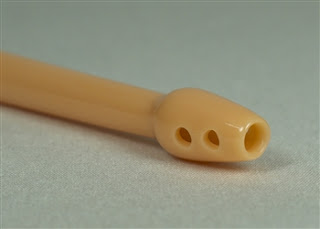
photo of flex tip enema nozzle For a bit of perspective, in the 20+ years I've been working with people who use enemas for optimizing their health, I've had only one client who caused himself a perforated colon with his colon tube when performing a home enema. This client was in the late stages of Inflammatory Bowel Disease (IBD) and his colon wall was weak, so he was at higher risk for perforation.

What enema ingredients are safe?

As mentioned above, sodium phosphate, stimulant laxatives such as bisacodyl, and mineral oil are not therapeutic choices for use in your enema kit, and can often cause health issues.

Unfortunately, water quality is not great in much of the world. Always use filtered water in your enema.

Water alone can clear the colon from constipation, but it cannot do much more. The Optimal Health Network has developed a 3-step enema series as a gentle process for therapeutically cleansing not only the colon, but the entire body. Home enema benefits include increasing levels of healthy bacteria, reducing levels of unhealthy bacteria, improving liver health, and improving the body's overall detoxification abilities.

Science from the National Institutes of Health (NIH) now shows that the microbiome in the colon is essential for good health. The enema series protocol can be beneficial for people with health struggles such as irritable bowel syndrome (IBS), prostate issues, anal fissures, hemorrhoids, anxiety, celiac disease, dementia, and heart disease. Scientific research now confirms the connection between an unhealthy microbiome and inflammation, which is the central cause of most pain, mental health imbalances, and disease.

The Optimal Health Network's enema series protocol will help you clear out the entire colon, optimize the health of your microbiome, and feed the cells of the colon wall, all while supporting the body's overall detoxification pathways.

In short, if you find yourself interested in taking enemas, be sure that your enema equipment is safe and that your enema solutions support overall health.

Need more detailed guidance in developing a home colon clease program?

Kristina Amelong, CCT, CNC

Personal Health Consultations with Kristina Amelong, CCT, CNC

For personalized support, I would be happy to assist via a scheduled phone consultation. I charge affordable per-minute rates, for as many or as few minutes as you need!

First complete any relevant sections of my secure online intake form. Upon submitting the form, you will be prompted to schedule a consultation time with me via my online booking system.

If you are an international client who would like to use WhatsApp for your scheduled consultation, please email us for instructions on how to contact me at the time of your consultation.


DISCLAIMER: When you purchase any product from Optimal Health Network, Inc., we must presume that it is for personal use under the direct supervision of a medical doctor. We make no claim or guarantee for cure or relief of any specific symptom, medical condition, or disease when using any of the products or protocols presented on this website. DO NOT attempt to self-diagnose or self-prescribe any natural substances for health conditions that require professional attention. Consult your healthcare professional about any serious disease, medical condition, or injury, or if you are pregnant, nursing, or planning to become pregnant.


Labels: , , , , , , ,


July 11, 2013

Regular Colon Cleansing Can Change Your Life!

Lupus, autoimmune diseases, psoriasis, rheumatoid arthritis, cancer, constipation, poor digestion, poor liver health, health problems from taking pharmaceuticals, multiple sclerosis, bacterial infections, muscle problems. This fantastic web series trailer, detailing how the beginning of healing is to clean the colon, features people who have used colon cleansing to heal from this list of symptoms and more.

You will see a 4-foot tapeworm!

You will see a colon hydrotherapy session!

I am thrilled to find a video showing how many health situations are helped by simply putting water into the colon; showing how colon cleansing is a better choice than using GoLYTELY; showing how life changing regular colon cleansing can be.

And, with the resources of the Optimal Health Network, you can now give yourself colon hydrotherapy in your own home.

Even though I do not know the people in the video, I feel as if I do because over the years I have worked with thousands of people, all over the world, who have similar stories to share.

Colon cleansing works and, as the video points out, often has fewer risks than many of the other forms of therapy available for health problems.

View trailer

Labels: , , ,


November 8, 2021

The Connection Between Gut and Skin Health

Ten Days to Optimal Health Do you strive to eat healthily and maintain a good skin care regime, yet for some unknown reason you just can't get rid of your acne?

About 85% of adolescents and young adults between the ages of 12 and 25 are affected by acne. Because this condition is especially common in Western countries, many believe that it's often caused by the average Western diet and its impact on the gut microbiome and overall health.

Indeed, ongoing research increasingly suggests a connection between poor gut health and poor skin health that many of us do not consider.

Your gut microbiome is made up of bacteria, viruses, fungi, and other microbes. A well-balanced gut microbiome is crucial to aiding digestion and supporting the immune system, and is a vital component of your overall health, including mental health. Thus an unbalanced microbiome can lead to many health issues including chronic constipation, hormonal imbalances, mood disorders, reduced immunity to viruses, and much more.

Your skin also has a microbiome, made up of bacteria and other microorganisms, and this microbiome is an extremely important part of skin health, including acting as a barrier against infections and environmental toxins and pollutants.

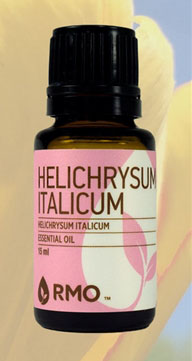
Helichrysum Essential Oil Just like the gut, it's important for your skin's microbiome to remain balanced and include a good amount of healthy bacteria. Using cleansers, toners, antibiotics, or other skin care products that are too harsh and kill off all bacteria in the skin, including those that are beneficial, will harm your skin microbiome.

Following a diet that supports the health of your gut microbiome can have a direct impact on both your gut and skin health. One such diet is the Ten Days to Optimal Health diet, which includes consuming good amounts of probiotic-rich foods and healthy fruits, proteins, and fats and avoiding processed foods and refined sugars.

Consuming foods that increase inflammation in the gut, such as alcohol, sugar, and artificial or processed foods, can cause systemic inflammation in your body, including in the skin....

There are some essential oils that are very beneficial for skin health and will not harm the skin's microbiome. Helichrysum is one I've especially seen great results with among my clients and would recommend....

▶︎ READ FULL ARTICLE

▶︎ Ten Days to Optimal Health Diet: Learn More

▶︎ How the Health of Your Microbiome Supports Your Overall Health


Labels: , , , , , ,


November 4, 2010

The Case for Colon Hydrotherapy

by Stephanie Carnes
OHN Contributor


Colon hydrotherapy, colonics, and colon irrigation are an age-old health practice that gradually and soothingly cleanses the colon using water. The colon is what most people call their “gut” or their “stomach.” When your “stomach” hurts, you are often really referring to your colon. Your colon is located in the lower abdomen, underneath your ribs and between your hips. It lies in this region like an upside-down U, or at least it ought to. The colon begins where the small intestine leaves off at the cecum and is about five feet long in adults.

The Colon Needs Help

You may be asking, “Doesn’t it clean itself? We don’t clean any of our other internal body parts.” Actually, we do! We clean our teeth and gums. Just as we brush to maintain the health of our teeth and gums, it is plain good sense to wash our colon. As with the mouth, our colon is harmed, often without our awareness, by our daily choices. We live on a planet that has us regularly creating and ingesting substances that, while passing through the colonic barrier, often damage it, causing Leaky Gut Syndrome. Thus, we risk losing our good health. Preventing harmful bacteria and yeast, environmental toxins, and undigested food particles from circulating in our bodies is a key role that the colon plays in keeping us healthy. By using colon cleansing to clean the colon, you strengthen the integrity of your colon, just as brushing strengthens the integrity of your teeth and gums.

We Live in a Polluted World

We don’t eat well, and even those who do “eat well” tend to eat more sugar and starch than is healthy. We tend to be dehydrated. We live in a polluted world and absorb that pollution into our bodies everyday. We, as a culture, overuse antibiotics. Many women are taking birth-control substances that increase the overload state of the colon. More and more people are on prescription medications that cause constipation. We tend to be undernourished. We are under a tremendous amount of stress in our fast-paced lives. All of these tendencies lead to a breakdown in colon health.

Why Colon Hydrotherapy?

As the colon struggles to do its job, so does the liver. In order to have a healthy liver, most of us need to help our bodies eliminate the incredible amount of waste and toxins that are in our bodies. Colon hydrotherapy plays a crucial role in this process, because when we cleanse the colon, we substantially diminish the toxic load in the entire body. With fewer toxins, the entire body experiences less stress and can devote more energy to healing and maintaining a healthy state. For more info check out Good Reasons for Colon Hydrotherapy or Colon Hydrotherapy Overview.


SOURCE: Ten Days to Optimal Health (Amelong 2006)

Labels: , ,


September 29, 2013

Best Colon Cleanse

ONE CLIENT'S EXPERIENCE WITH THE ENEMA SERIES

"I truly wish that everyone could experience the complete feeling of the enema series you prescribe. They wouldn't believe it!" — READ MORE

The best colon cleanse clears out the entire colon, supports the liver in its efforts to detoxify the body, encourages tissue repair, neutralizes toxins, feeds the healthy flora in the colon, and kills Candida and other parasitic organisms.

An enema series can meet all these goals when you are able to clear out the entire colon using three enemas in a row, which are outlined below.

WHAT IS THE ENEMA SERIES?

FIRST ENEMA:

Use 1-4 quarts of filtered water and a made-for-enema soap. To mix the soap and water, soak the bar of soap in high-quality water for 20-60 seconds to make a milky solution. While taking the enema solution in, massage the abdomen to receive the water with less cramping.

Our made-for enema goat milk soaps contain butyric acid, which is the main food source of the cells in the lining of the colon, supporting them to function properly and to maintain the integrity of the intestinal lining.

Butyric acid enemas can help to prevent or reverse colon inflammation associated with IBS, Crohn's disease, prostatitis, ulcerative colitis, and even chronic constipation.

Programmed cell death, or apoptosis, is a normal process in cells. For example, cells can undergo a process of self-destruction if their DNA is damaged so severely that they can't be repaired, or if there are too many cells in an area. Cancer cells, however, do not undergo apoptosis, and continue to multiply. In experiments with lab animals, butyric acid has been found to inhibit multiplication of cancerous cells in the colon and to stimulate apoptosis in these cells.

Our butyrate-rich Frankincense and Myrrh Goat Milk Enema Soap stimulates the colon without irritating it, optimizes healthy hormone levels, can help to shut down cancer cells without harming healthy cells, and boosts immunity.

Also butyrate-rich, our Chamomile and Sage Goat Milk Enema Soap promotes relaxation, regenerates nerves, detoxifies the blood and liver, optimizes healthy hormone levels, is antifungal, and stimulates the gallbladder.

If you take frequent enemas, rotate your made-for-enema soaps. Also, rotate the soap you use to bathe. Rotation of the soaps offers broader support of the body and helps you to avoid developing a sensitivity or allergy.

How to Use Enema Soap


SECOND ENEMA:

Use OHN Colon Cleanse Essential Oil Blend mixed with a high-quality Celtic Sea Salt in the second enema in the series. The oils in OHN Colon Cleanse Essential Oil Blend (citronella, lemongrass, rosemary, melaleuca, lavender, and myrtle) are shown to act together to encourage tissue repair, neutralize toxins, feed the healthy flora in the colon, and kill Candida and other parasitic organisms. These oils can also kill a flu bug before you even know you have it, reduce overall inflammation in the body, and improve metabolism.

The importance of rotation applies here too. If you take daily enemas, choose a few different oils. Beneficial oils and oil blends to use in the colon are:
How to mix the enema solution: Hold the salt in the palm of your hand or put into a small bowl, drop oil into the salt and then add this mixture to your enema water. Use 3-5 drops oil and 1 tsp Celtic Sea Salt to each quart of filtered water.


THIRD ENEMA:

Take a coffee enema as the third enema in the series in order to support the liver and increase your body's antioxidant production.


In short, an enema series is the most optimal way to cleanse the colon. It consists of three enemas, taken one after the other, each with a different solution.

View/Print Enema Series Instructions

TOXIN BINDERS

Chlorophyll Complex™ binds toxins tightly. Once coffee stimulates your gallbladder to contract and release toxin-laden bile into the small intestine, you want something where the bile duct enters the intestine to bind the toxins so tightly they will not be reabsorbed through the intestinal wall. Take a handful (about 5 to 10 perles) of Standard Process's Chlorophyll Complex, timed to precede the start of the enema by about 30 minutes. To order Chlorophyll Complex, contact the Optimal Health Network.

To learn more about the colon cleanse and essential oils, watch our video, How to Colon Cleanse with Essential Oils.

Need more detailed guidance in developing your home colon cleanse program?

Kristina Amelong, CCT, CNC

Personal Health Consultations with Kristina Amelong, CCT, CNC

For personalized support, I would be happy to assist via a scheduled phone consultation. I charge affordable per-minute rates, for as many or as few minutes as you need!

First complete any relevant sections of my secure online intake form. Upon submitting the form, you will be prompted to schedule a consultation time with me via my online booking system.

If you are an international client who would like to use WhatsApp for your scheduled consultation, please email us for instructions on how to contact me at the time of your consultation.

Labels: , , , , , , ,


October 7, 2010

The Truth About Whole Grains

by Stephanie Carnes
OHN Contributor
Our modern farming and preparation techniques no longer allow grains to germinate before we eat them. Are whole grains indeed the good guys?

Many people find that grains cause health problems. The following is a small list of what can happen, over time, due to eating grains ill prepared (without first soaking and sprouting them).

1) The high phytic acid content of whole grains tends to interfere with mineral metabolism. It can combine with calcium, magnesium, copper, iron and especially zinc in the intestinal tract and block their absorption. According to Sally Fallon in Nourishing Traditions:

"This is why a diet high in unfermented whole grains may lead to serious mineral deficiencies and bone loss. The modern misguided practice of consuming large amounts of unprocessed bran often improves colon transit time at first but may lead to Irritable Bowel Syndrome and, in the long term, many other adverse effects. Soaking allows enzymes, lactobacilli and other helpful organisms to break down and neutralize phytic acid."

2) There are substances in grains that have the potential to interact with the gastrointestinal tract and the immune system that can cause what is known as Leaky Gut Syndrome, a condition in which the intestinal wall becomes permeable. A permeable gut lets toxins, food particles and yeast organisms into the peripheral circulation, where they wreak havoc.

3) Grains are high in carbohydrates, which can cause your pancreas to overwork. The pancreas is a large gland located underneath the stomach. In addition to its all-important job of producing insulin to control your blood sugar levels, the pancreas produces a bicarbonate solution that neutralizes chyme acid delivered from the stomach. When the pancreas is overworked, and not kept slightly alkaline, the following can result: emotional imbalance, elevated cholesterol, weight gain and disturbed sleep.

4) Grains tend to cause unhealthy organisms in your digestive tract, such as yeast, to overgrow. Having an overgrowth state of unhealthy organisms in the digestive tract can lead to very serious complications with a wide variety of symptoms including: gas, bloating, cramping, pain, indigestion, nausea, diarrhea and constipation, in addition to other bodily problems not typically associated with the colon, such as heart irregularities, numbness, tingling, joint and muscle pain, fatigue, sinus and respiratory problems, chemical sensitivities, hormonal imbalances, headaches and even vision problems.

The Optimal Health Center Plan is allows you to test how you feel when you eat or do not eat different foods. You must let your body tell you what works best! We recommend following the ways of the traditional cultures and soak or ferment your grains if you decide to incorporate them into your regular diet.

How to Sprout Grains & Seeds

Almost all seeds and grains can be sprouted—wheat, rye, barley, dried beans, almonds, lentils, pumpkin or melon seeds, sunflower seeds, chia, onion, radish or poppy seeds and chick peas.

Allow the seeds to soak overnight in a glass mason jar then pour off the water. Rinse them well. Invert the jar, and let it sit at an angle so it can drain and allow air to circulate. Rinse them at least twice a day, and in 1-4 days the sprouts will be ready. Rinse again, shake out excess moisture and store in the refrigerator.

Sprouting your grains adds nutritional value that would not have been able to be utilized by the body prior to germination. This process increases the vitamin and enzyme content substantially and neutralizes the phytic acid that hinders digestion. They can be used lightly steamed in salads, sandwiches, soups, vegetable dishes, or ground up for breads and baked goods.

SOURCES: 
  • Amelong, Kristina. Ten Days to Optimal Health. Madison: Prosperity Publishing House, 2006.
  • Fallon, Sally. Nourishing Traditions. Washington: New Trends Publishing, Inc, 1999.

Labels: , ,


September 19, 2010

The Most Important Nutrient

by Stephanie Carnes
OHN Contributor


Most people have been erroneously convinced that fats and oils are damaging to one’s health. This is a lie. Unfortunately, the importance of fats and oils in the human diet has only become widely recognized within the last few years. Fats and oils are our most important nutrient!

If we think logically, we know this. We live in a fat-phobic world where fat is one of only three macronutrients: carbohydrates, protein and fats. We need all of these three macronutrients. Fats are the macronutrient that allows us to feel full, to mini­mize food cravings, and to most fully meet the energy needs of our organs. Our bodies use fats as a supply and store of energy: a gram of fat contains more than double the amount of energy present in a gram of carbohydrate.

Why is sufficient fat and oil consumption necessary for optimal health?

Healthy fats and oils replenish our cellular membranes with needed nutrients. It is the fats that keep our cell walls strong. By maintaining the structural integrity of our cells, fats pro­mote the full functioning of our rebuilding and cleansing mechanisms. Toxins, in order to leave our bodies, need to be taken from the cells and bound to a carrier of toxins. Most cleansing programs only carry toxins out of the main circulation. How do we get toxins out of the places where they are stored? Eat high-quality, raw fats.

Fats are binding agents. Fats bind tox­ins more than any other substance. Most of us don’t and haven’t ingested enough high-quality fat over the years to safely remove the toxins that are stored in our bodies. This is an absolutely essential reason to increase your fat and oil intake.

Does it matter if they are raw or cooked?

It is important to eat a large amount of your healthy fats and oils raw. Raw fats are crucial for health because they contain lipase, the fat-splitting enzyme. Lipase prepares the fat you eat so that it may be utilized by the cells and the organs. Without sufficient lipase in your body, your body cannot properly utilize the fats that you eat and your pancreas becomes over­worked.

What about saturated fats?

Saturated fats from animal sources—portrayed as the enemy by the United States Food and Drug Administration and consequently by American culture—give the body the raw materials it demands from us in order to be optimally healthy. Saturated fats form an important part of the cellular membrane by giving the cellular membrane rigidity; they protect the immune system and enhance the utilization of essential fatty acids.

Saturated fats are needed for the proper development of the brain and nervous systems. Low-fat diets contribute to depression, because our brain is made out of fat. There is a high-fat diet used by the medical community to control seizures. This diet consists of 80% fat and is known to work better than drugs. Additionally, our liver is made of 80% fat. You must eat raw fat in order to regenerate your organs.

Isn’t lowering my cholesterol levels a good thing?

High cholesterol is not the cause of heart dis­ease. In spite of the offi­cial advice that tells us to lower the amount of satu­rated fat in our diet, we still have an epidemic amount of heart disease!

Cholesterol, a saturated fat we are all familiar with, is the precursor to bile acids, which are needed to digest and absorb long-chain fatty acids. Cholesterol is also recognized for its physiological importance in the skin and the intestines where it plays an important structural role as a com­ponent of the organ membranes. Cells lining the digestive tract are particularly rich in choles­terol. Among its other various roles in the cell are the signal­ing activities that, for example, tell the gastrointestinal mus­culature when to contract.

“I don’t know how many people I have seen relieved of their chronic constipation, as well as any related Irritable Bowel Syndrome (IBS), when they finally ate enough cholesterol in their daily diet,” states Kristina Amelong, creator of the Optimal Health Network. She advises [for people who are chronically ill], "It is possible that you may need to start with at least one stick of raw butter a day, along with copious amounts of cod liver oil, raw cream, avocados, and coconut oil.”

Will eating more fat make me gain weight?

The answer in short: No! Not if you're eating the right kinds of healthy fats needed by the body for nourishment and detoxification. Our livers—and not our food—make the cholesterol that our body uses for repair. Foods high in cholesterol help to repair the liver. As the body heals, it needs more cholesterol to repair the liver and to replace broken-down cells.

Even the Framingham studies, which the pharmaceutical com­panies use to promote cholesterol-lowering drugs, show that the higher the cholesterol level and the more fat in the diet, the longer the study participants lived and the more optimally the participants weighed!

Healthy vs. Unhealthy Fats

Even though fats are a nourishing food, there are fats that are damaging to the human body. The following newly used fats are not to be used in your diet, as they will cause many health imbalances over time. These imbalances can include but are not limited to cancer, heart disease, immune system dysfunction, sterility, learning disabili­ties, growth problems and osteoporosis.

Fats to Avoid:
  • All hydrogenated oils such as margarine Soy, corn, and safflower oils
  • Cottonseed oil
  • Canola oil
  • All fats heated to very high temperatures in processing and frying
  • Bleached and deodorized oils
Fats to Enjoy:
  • Avocado
  • Black Currant Oil
  • Borage Oil
  • Butter, grass-fed raw
  • Caviar
  • Coconut Oil
  • Cod Liver Oil
  • Egg Yolks, organic and raw
  • EPA Fish Oil
  • Evening Primrose Oil
  • Flax-Seed Oil
  • Fortified Flax
  • Ghee, raw
  • Grapeseed Oil
  • Nuts, soaked raw (not peanuts), very high in omega 6—use sparingly
  • Nut Butters, raw (not peanut butter), very high in omega-6, use sparingly
  • Olives, non-hybrid
  • Olive Oil, organic, expeller-pressed extra virgi
  • Raw or rare grass-fed buffalo or beef
  • Raw or rare ostrich or elk
  • Raw or rare fish
  • Seeds, soaked
  • Sesame
  • Tahini
High-quality animal fats are your best source of healthy fats, such as raw, grass-fed butter—one of our best health foods!

Adopting a New Normal

The transition to healthy eating involves a change in food buy­ing patterns, more at home preparation and cooking. Incorporating more healthy fats into your diet will provide the essential nutrients for cellular membranes, hormones and hormone-like substances. Fats are also the best tool for keeping blood sugar balanced and are high in essential nutrients needed to fight toxins and rebuild healthy, vibrant cells.

If you fall back into previous unhealthy eating habits, you’ll be able to notice a difference in how you feel. In a way, bad eating habits will be self-correcting if you prefer health over the yucky feeling that occurs when you eat the wrong foods.

SOURCE: Ten Days to Optimal Health (Amelong 2006)

Labels: , ,


Shop for Enema Equipment, Detoxification Products, and More


RETURN TO TOP

DISCLAIMER: This blog and any linked material are presented for informational purposes only and are not a substitute for medical advice, diagnosis, or prescribing from a licensed healthcare professional. Nothing contained in or accessible from this blog should be considered a medical diagnosis, promise of benefits, claim of cure, legal warranty, or guarantee of results to be achieved. When you purchase any product from Optimal Health Network, Inc., we must presume that it is for personal use under the direct supervision of your medical doctor. Never disregard medical advice or delay in seeking it because of something you have read on this blog or in any linked material. Consult with a licensed healthcare professional before altering or discontinuing any current medications, treatment, or care, or starting any diet, exercise, cleansing, or supplementation program, or if you have or suspect you might have a health condition that requires medical attention. The United States Food and Drug Administration has not evaluated any statement, claim, or representation made on this blog.

© Optimal Health Network, Inc.
— All Rights Reserved
— Development by Zumavi Design